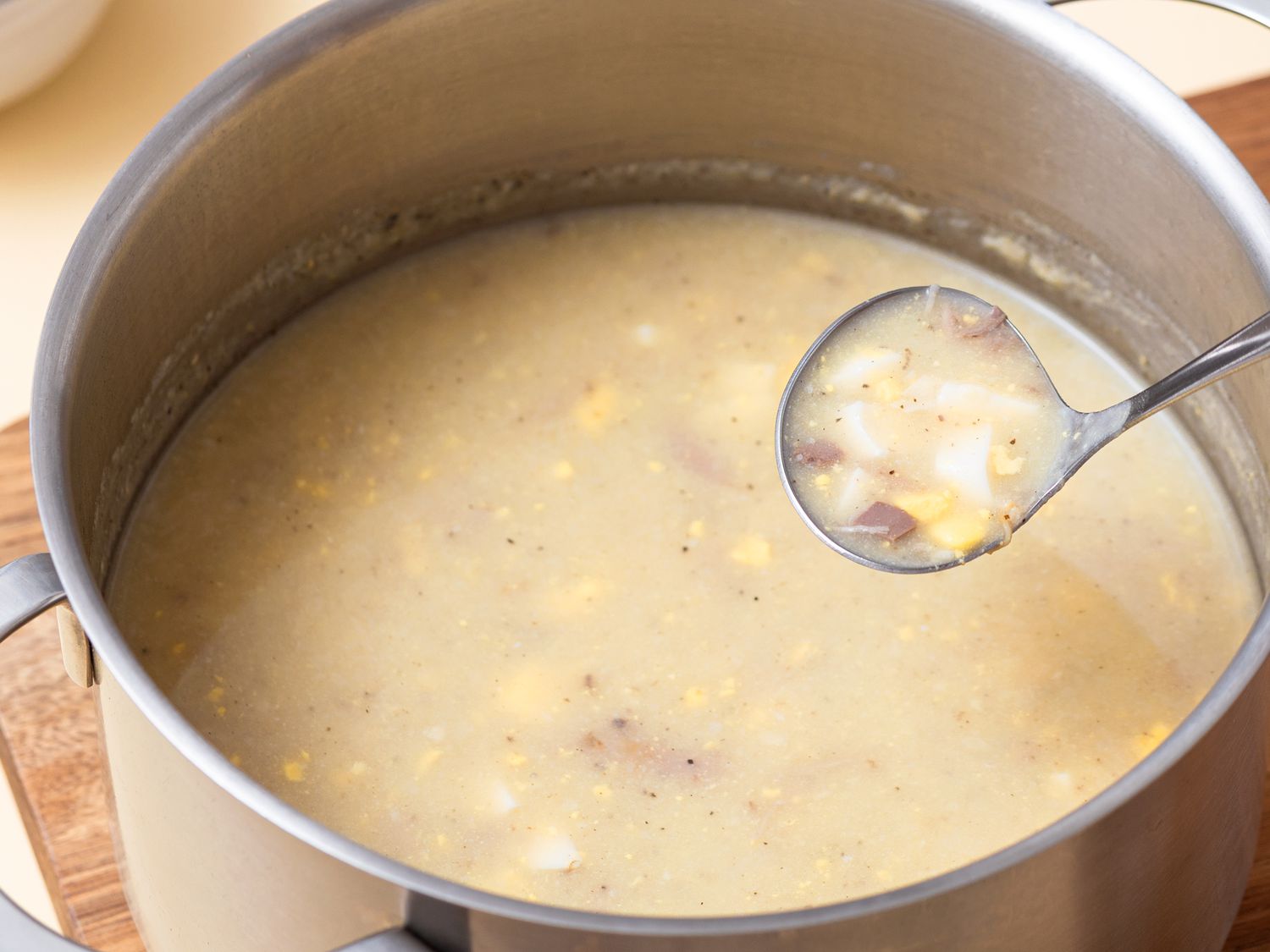
Homemade Giblet Gravy: The Quintessential Holiday Sauce
As the holiday season approaches, kitchens everywhere begin to hum with the promise of festive feasts. While the majestic roasted turkey often takes center stage, it's the accompaniments that truly elevate the meal from great to unforgettable. Among these, homemade giblet gravy reigns supreme – a rich, savory, and deeply flavorful sauce that transforms every bite of turkey, stuffing, and mashed potatoes into a culinary delight. Often referred to as the "queen of gravies," this classic concoction leverages every part of your bird, ensuring no precious flavor goes to waste.
For many, giblet gravy is more than just a condiment; it's a cherished tradition, a taste of home and holidays past. This comprehensive guide will walk you through crafting the perfect batch, from understanding its core ingredients to mastering the cooking process, and even tips for storing and freezing this liquid gold. Get ready to impress your family and friends with a gravy that's bursting with authentic turkey flavor and a texture that's simply irresistible.
What Makes Homemade Giblet Gravy So Special?
The magic of homemade giblet gravy lies in its unparalleled depth of flavor, derived from a combination of the turkey's often-overlooked parts and the rich pan drippings. Unlike regular gravy made solely from roasting juices, giblet gravy boasts a robust, meaty essence thanks to the careful simmering of the turkey's neck, heart, and gizzard.
- Full-Bodied Flavor: The giblets themselves release a wealth of savory compounds when slowly simmered, creating a stock that forms the foundation of the gravy. This isn't just a thick brown sauce; it's a concentrated essence of turkey.
- Using Every Part: True to the spirit of traditional cooking, making giblet gravy is an excellent way to honor the entire bird. It ensures that no flavorful component goes to waste, transforming what might otherwise be discarded into a star of the holiday table.
- Textural Delights: Beyond the smooth, velvety consistency of the gravy, many traditional recipes include finely chopped cooked giblets and even hard-boiled eggs. These additions provide a delightful textural contrast, adding small, savory nuggets that enhance each spoonful.
- A Taste of Tradition: For generations, families have gathered around holiday tables, passing bowls of this distinctive gravy. It's a comforting, nostalgic flavor that instantly evokes memories of festive celebrations.
Essential Ingredients for Your Best Giblet Gravy
Crafting exceptional giblet gravy starts with understanding the role of each ingredient. While simple, their quality and proper preparation are key to a truly outstanding result.
The Foundation: Giblets & Water
- Giblets (Neck, Heart, Gizzard): These are the undisputed stars. You'll typically find them in a small bag tucked inside the turkey's cavity. The neck provides plenty of flavor and some tender meat, while the heart and gizzard contribute a deeper, earthier taste. Most recipes advise *excluding the liver*, as it can impart a slightly bitter or metallic taste to the gravy, and its texture is different. Save the liver for pâté or another dish!
- Water: Used to simmer the giblets and create a rich, flavorful broth. While some opt for chicken or turkey stock, water allows the pure giblet flavor to shine through, which is then amplified by the drippings.
The Flavor Amplifiers: Turkey Drippings & Seasonings
- Turkey Drippings: These are the invaluable juices, fats, and caramelized bits left in the roasting pan after your turkey is cooked. They are packed with incredible flavor and are non-negotiable for a truly authentic turkey giblet gravy. Make sure to separate the fat from the pan juices for the best consistency.
- Salt and Ground Black Pepper: Simple yet essential. These seasonings enhance all the other flavors without overpowering them. Don't be shy about tasting and adjusting!
The Thickener: Cornstarch (or Flour)
- Cornstarch: Mixed with cold water to form a "slurry," cornstarch is a popular choice for thickening gravy. It creates a smooth, glossy, and lump-free sauce. The cold water is crucial; adding cornstarch directly to hot liquid will cause it to clump.
- Optional: Flour: While cornstarch provides a beautiful sheen, some traditional recipes use flour for a slightly thicker, more opaque gravy with a different mouthfeel. If using flour, you'd typically make a roux with some of the turkey fat first.
The Traditional Texture: Hard-Boiled Egg (Optional)
- Chopped Hard-Boiled Egg: A beloved addition in many old-fashioned giblet gravy recipes. It adds a unique texture and subtle richness. If you prefer a completely smooth gravy, feel free to omit it.
Step-by-Step Guide to Crafting Perfect Giblet Gravy
Creating this holiday masterpiece is simpler than you might think, especially if you follow these steps. For an even deeper dive into perfecting this holiday staple, check out our guide on Mastering Turkey Giblet Gravy: The Ultimate Guide for Thanksgiving.
1. Prepare the Giblet Stock
- Gather Your Giblets: Retrieve the neck, heart, and gizzard from your turkey. Rinse them under cold water. If using the liver, set it aside for another use.
- Simmer for Flavor: Place the giblets and 4 cups of water in a medium saucepan. Bring the mixture to a boil, then reduce the heat to low, cover, and let it simmer gently. This slow simmering process, typically for about 1 hour, allows the giblets to release all their incredible flavor, creating a concentrated broth. You're aiming to reduce the liquid to roughly 3 cups.
- Strain and Reserve: Carefully strain the giblet broth into a clean bowl, discarding any bones from the neck. Reserve the cooked giblets.
2. Prepare Your Turkey Drippings
- Collect Drippings: Once your turkey is out of the oven, carefully pour all the pan drippings into a fat separator or a heatproof bowl. Allow the fat to rise to the top.
- Separate Fat: Skim off most of the fat, reserving about 1 cup of the rich, defatted turkey drippings (the flavorful liquid gold at the bottom).
3. Combine and Thicken the Gravy
- Combine Liquids: In a clean saucepan, combine the reserved giblet broth and the 1 cup of turkey drippings. Bring this mixture to a medium heat.
- Make the Slurry: In a small bowl, whisk together ½ cup of cold water and 6 tablespoons of cornstarch until completely smooth and lump-free. This slurry is your thickening agent.
- Thicken the Gravy: Slowly pour the cornstarch slurry into the hot broth and drippings mixture, whisking constantly to prevent lumps. Continue to whisk as the mixture comes to a boil. It will visibly thicken as it heats. Reduce the heat to low once it reaches your desired consistency.
4. Finishing Touches
- Chop the Giblets: While the gravy is thickening, finely chop the reserved cooked giblets. If you're including a hard-boiled egg, chop it as well.
- Stir in Additions: Add the finely chopped giblets and the chopped hard-boiled egg (if using) into the thickened gravy.
- Season and Serve: Simmer the gravy for another 5 minutes to allow the flavors to meld. Season generously with salt and freshly ground black pepper to taste. Remember to taste as you go!
Expert Tips for Flavor, Storage & Freezing Your Giblet Gravy
Making a delicious giblet gravy is one thing; making it stress-free and ensuring it lasts is another. Here are some expert insights:
Enhancing Flavor and Troubleshooting
- Layered Flavors: For an even deeper flavor profile, consider adding aromatic vegetables like a quartered onion, a stalk of celery, and a bay leaf to the giblet simmering water. Strain them out before proceeding. A splash of dry sherry or white wine can also add complexity to the gravy.
- Too Thick/Thin: If your gravy is too thick, whisk in a little more turkey broth or water until it reaches the desired consistency. If it's too thin, create another small cornstarch slurry and slowly whisk it in, bringing the gravy back to a boil to activate the thickener.
- Lumpy Gravy: Lumps usually occur from adding thickener too quickly or not whisking enough. If you have lumps, strain the gravy through a fine-mesh sieve before serving.
Storage and Freezing Tips for Convenience
The beauty of homemade giblet gravy is that it can be made ahead, significantly reducing stress on holiday cooking day. For more insights on why this classic sauce is a must-have, explore Unlock Rich Flavor: Why Classic Giblet Gravy is the Queen of Sauces.
- Refrigeration: Allow the gravy to cool completely before transferring it to an airtight container. Store it in the refrigerator for up to 2 days. When ready to reheat, do so gently on the stovetop over low heat, whisking frequently. You may need to add a splash of broth or water to thin it out if it has thickened too much.
- Freezing: Giblet gravy freezes beautifully, making it an excellent candidate for advance preparation.
- Preparation: Ensure the gravy is completely cooled.
- Containers: Transfer to freezer-safe containers or heavy-duty zip-top freezer bags. If using bags, lay them flat on a baking sheet in the freezer until solid for efficient storage.
- Protection: For extra protection against freezer burn, especially with bags, you can wrap them in an additional layer of aluminum foil.
- Duration: Use within 3-4 months for best quality.
- Thawing & Reheating: Thaw the frozen gravy overnight in the refrigerator. Reheat gently on the stovetop over low heat, whisking until smooth and heated through. Adjust consistency with a little extra broth or water if needed.
Conclusion
Making homemade giblet gravy is a rewarding culinary endeavor that brings unparalleled flavor and tradition to your holiday table. By utilizing the turkey's giblets and rich pan drippings, you create a sauce that is deeply savory, wonderfully textured, and utterly comforting. Whether you're a seasoned chef or a holiday cooking novice, this recipe provides a straightforward path to achieving a gravy that will be talked about long after the last piece of turkey is gone. So, this holiday season, embrace the tradition, roll up your sleeves, and prepare to elevate your feast with the unmatched richness of homemade giblet gravy.
