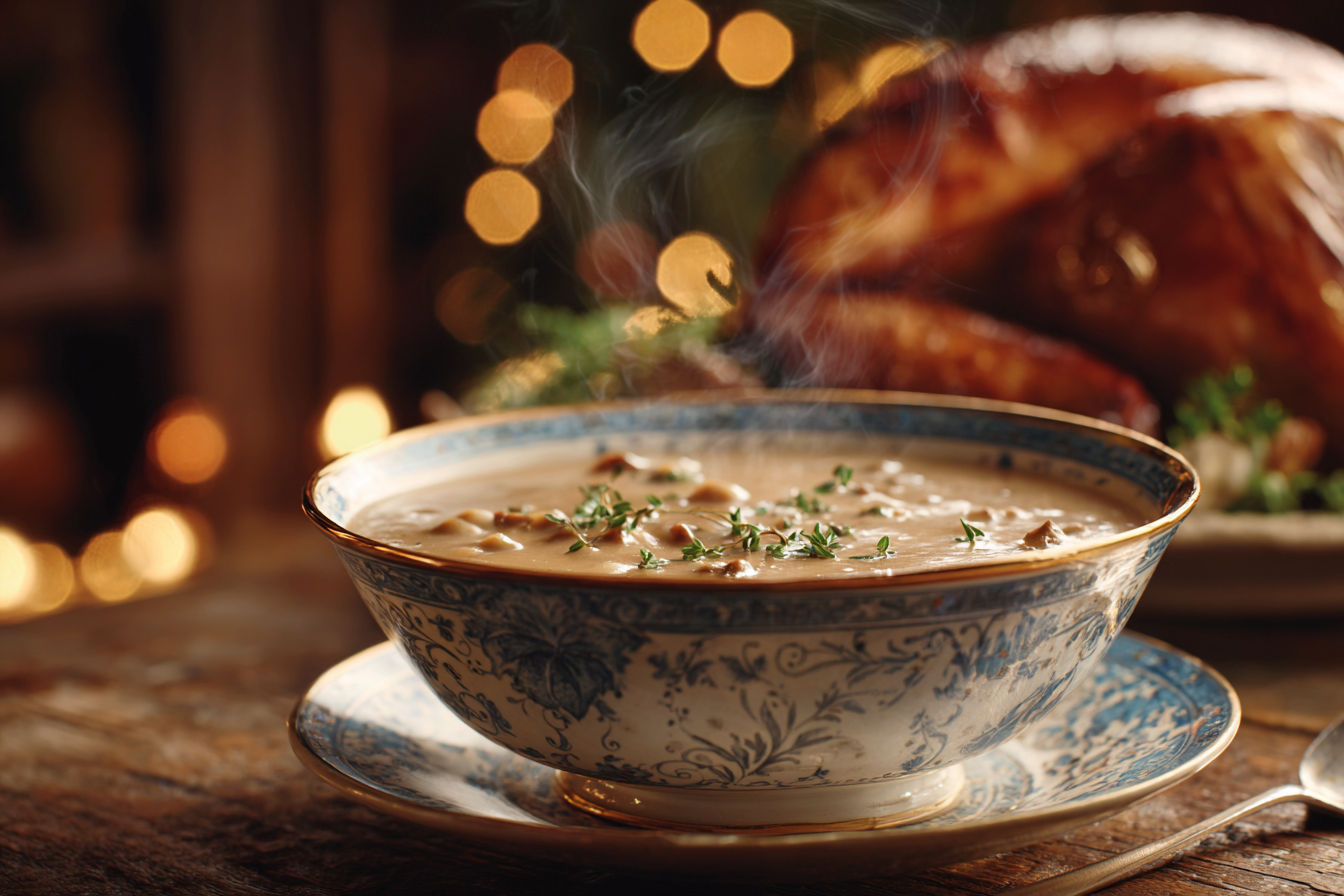
Thanksgiving. The word alone conjures images of a golden-brown turkey, vibrant side dishes, and, of course, a velvety, rich gravy cascading over every element on the plate. While many gravies aim to please, there is one that truly reigns supreme, a culinary masterpiece that captures the very essence of the holiday bird: Mastering Turkey Giblet Gravy. This isn't just any gravy; it's the "queen of gravies," a deeply flavorful concoction that transforms often-overlooked parts of the turkey into an unparalleled, savory elixir. If you've ever wondered how to elevate your Thanksgiving feast from delicious to truly unforgettable, then unlocking the secrets of giblet gravy is your answer.
The Underrated Stars: Understanding Turkey Giblets
At the heart of the most exquisite Thanksgiving gravy lies a collection of unsung heroes: the turkey giblets. Often found neatly packaged inside the bird's cavity, these components – typically the heart, gizzard, and neck – are brimming with a deep, savory potential often discarded by the uninitiated. While some traditionalists might include the liver, many recipes, including our ultimate guide, recommend reserving the liver for pâté or other dishes, as its strong flavor can sometimes overpower the delicate balance of the gravy.
Why are these pieces so crucial for the ultimate Unlock Rich Flavor: Why Classic Giblet Gravy is the Queen of Sauces? The connective tissues, muscles, and bones within the heart, gizzard, and especially the neck, slowly render their flavors into a rich broth during a gentle simmer. This process extracts a profound umami that simply cannot be replicated by bouillon or mere pan drippings alone. Think of it as building the deepest flavor foundation possible before you even begin to roast your turkey. While you can make giblet gravy with chicken giblets, turkey giblets offer a more substantial yield of meat and a richer, more robust flavor, perfectly suiting the grand scale of a Thanksgiving meal.
Embracing giblet gravy is also a testament to the "no waste" philosophy of cooking. By utilizing every valuable part of your bird, you're not just creating an incredibly delicious condiment; you're honoring the tradition of making the most of your ingredients, a practice deeply rooted in holiday cooking history. This commitment to flavor and resourcefulness is what truly sets homemade turkey giblet gravy apart.
Crafting the Flavor Foundation: Giblet Broth and Pan Drippings
The journey to mastering the perfect giblet gravy begins with two fundamental pillars of flavor: a deeply savory giblet broth and the incomparable richness of turkey pan drippings. Together, they form the soul of this Thanksgiving staple.
The Essential Giblet Broth
Long before your turkey even enters the oven, you can lay the groundwork for your gravy by preparing a flavorful giblet broth. This involves combining the turkey neck, gizzard, and heart with a generous amount of water in a saucepan. Bring it to a boil, then reduce the heat to a gentle simmer. The key here is patience. Allow it to simmer for at least an hour, or even longer, until the liquid has reduced, intensifying the flavors and creating a concentrated stock. This slow process extracts every ounce of savory goodness from the giblets, resulting in a broth that’s robust and deeply aromatic. For an even more complex base, consider adding a few aromatics like a quartered onion, a celery stalk, or a bay leaf to the pot during simmering. Once cooked, strain the broth, reserving the flavorful liquid and setting aside a portion of the cooked giblets for later chopping.
The Gold Standard: Turkey Pan Drippings
No turkey gravy, especially a giblet gravy, is complete without the invaluable contribution of turkey pan drippings. These are the precious juices, fats, and caramelized bits left at the bottom of your roasting pan after the turkey has cooked to perfection. They are concentrated pockets of turkey flavor, a culinary goldmine that captures the essence of your roasted bird. Once your turkey is out of the oven and resting, carefully pour the pan drippings into a heat-proof container. Many chefs prefer to use a gravy separator to easily separate the flavorful juices from the excess fat, ensuring your gravy is rich without being overly greasy. Alternatively, you can chill the drippings, allowing the fat to solidify on top for easy skimming. Whatever method you choose, never discard these flavorful drippings; they are the magic ingredient that truly marries your giblet broth with the taste of your Thanksgiving turkey.
Assembling the Masterpiece: Thickening, Texturizing, and Seasoning Your Gravy
With your giblet broth and pan drippings ready, it’s time to bring all the elements together to create that irresistible turkey giblet gravy. This stage involves careful thickening, adding delightful texture, and seasoning to perfection.
Achieving the Perfect Consistency with Cornstarch
The secret to a perfectly smooth, glossy gravy is often cornstarch. Unlike flour, which can sometimes result in a cloudy finish or a pasty taste if not cooked long enough, cornstarch provides a clean thickening power and a beautiful sheen. To ensure a lump-free gravy, it's crucial to create a "slurry" first. This involves whisking cornstarch with an equal amount of cold water until it's completely smooth. The cold water prevents the cornstarch granules from clumping together when they hit the hot liquid. Once your combined giblet broth and turkey drippings are simmering gently in a saucepan, gradually whisk in the cornstarch slurry. Continue to whisk as the mixture comes to a boil; you'll notice it rapidly thickens to that desired luscious consistency. If you prefer a flour-based gravy, you could create a roux by cooking flour in butter or turkey fat before adding the liquids, but for a classic, clear Homemade Giblet Gravy: Recipe, Ingredients & Storage Tips for Holidays, cornstarch is often the preferred choice.
Adding Depth and Texture: The Chopped Egg (and optional additions)
One of the distinctive features of traditional turkey giblet gravy is the inclusion of a finely chopped hard-boiled egg. While optional, this addition provides a unique textural element and a subtle richness that enhances the overall experience. The delicate pieces of egg add an extra layer of home-style comfort to each spoonful. If you prefer a completely smooth gravy, you can certainly omit it. At this stage, you'll also stir in the finely chopped cooked giblets you reserved earlier, adding another layer of texture and concentrated turkey flavor. For an even more festive touch, some recipes call for a tablespoon or two of finely diced pimentos, offering a hint of color and tang. You might also consider a pinch of fresh herbs like finely chopped sage or thyme, which beautifully complement turkey flavors.
Seasoning to Perfection
Seasoning is the final, critical step. While the giblet broth and pan drippings are inherently flavorful, your gravy will need a finishing touch of salt and freshly ground black pepper. Remember that pan drippings can sometimes be quite salty, so always taste as you go. Start with a small amount, stir, and taste again, adjusting until the flavor sings. This is your chance to really make the gravy your own. A little splash of dry sherry or white wine can add complexity, while a tiny pinch of poultry seasoning can deepen the overall "turkey" flavor. The goal is a balanced, savory gravy that enhances, rather than overpowers, your Thanksgiving meal.
Making Ahead and Storage Solutions
Thanksgiving day is often a whirlwind of activity, making any opportunity to prep in advance a true blessing. Luckily, turkey giblet gravy is an excellent candidate for make-ahead convenience, ensuring you have one less thing to worry about on the big day.
Prepping for Thanksgiving Day Success
The giblet broth, the very foundation of your gravy, can easily be made a day or even two in advance. Prepare the broth as directed, strain it, chop the giblets, and store them separately in airtight containers in the refrigerator. This means on Thanksgiving Day, all you have to do is collect your pan drippings, combine them with the pre-made broth, thicken, and finish the gravy. Some even prefer to make the entire gravy a day or two before, allowing the flavors to meld and deepen further, ready for a quick reheat.
Storing Your Culinary Creation
Once your masterpiece is complete and has cooled completely, transfer any leftover giblet gravy to an airtight container. It will keep beautifully in the refrigerator for up to two days. When it’s time to reheat, the stove-top is your best friend. Gently warm the gravy over low heat, whisking frequently to restore its smooth consistency. If it appears too thick after chilling, a splash of additional turkey broth or water will bring it back to life.
Freezing for Future Feasts
Yes, you can absolutely freeze turkey giblet gravy! This is fantastic news for anyone who wants to enjoy that delicious Thanksgiving flavor long after the holiday has passed. Once the gravy is thoroughly cooled, transfer it to freezer-safe containers, such as sturdy zip-top freezer bags (which can be laid flat for efficient storage) or hard-sided containers. For an extra layer of protection against freezer burn, especially with bags, consider wrapping them in foil. Properly stored, your giblet gravy will maintain its quality in the freezer for up to four months. When you're ready to enjoy it again, simply thaw it overnight in the refrigerator, then reheat gently on the stove-top, whisking well. This convenient storage option ensures that the taste of Thanksgiving is never too far away, making it easy to enjoy this Homemade Giblet Gravy: Recipe, Ingredients & Storage Tips for Holidays whenever the craving strikes.
Mastering turkey giblet gravy is more than just following a recipe; it's about embracing tradition, maximizing flavor, and elevating your holiday meal to an art form. By understanding the vital role of giblets and pan drippings, employing smart thickening techniques, and seasoning with care, you'll create a gravy so rich, so deeply satisfying, it will become the undisputed star of your Thanksgiving table. This year, don't just make gravy; craft a legacy of flavor that your family will cherish and remember with every delicious, savory bite.
