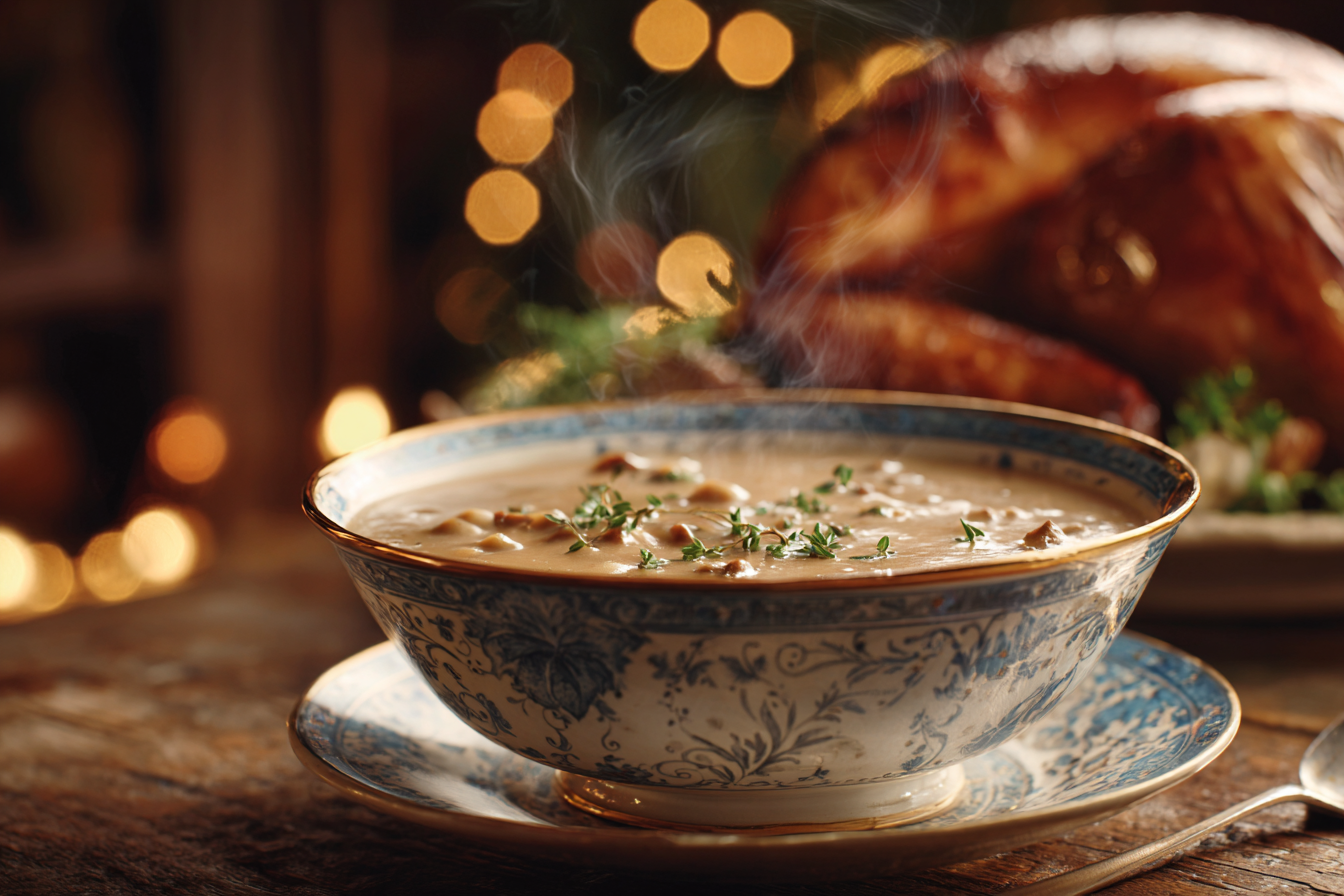
Unlock Rich Flavor: Why Classic Giblet Gravy is the Queen of Sauces
When the aroma of a perfectly roasted turkey fills your home, there’s one essential accompaniment that elevates the entire culinary experience: a rich, savory gravy. But not just any gravy – we're talking about the venerable
giblet gravy. Often hailed as the "queen of sauces," this classic concoction is more than just a topping; it's a testament to making the most of your bird, transforming humble giblets and flavorful pan drippings into a luxurious, unforgettable sauce. For generations, especially during holidays like Thanksgiving, homemade giblet gravy has been the undisputed star, bringing depth, tradition, and an unparalleled richness to every plate. It's the secret weapon that binds together all the elements of a festive meal, making each bite truly special.
The Allure of Giblet Gravy: Why It Reigns Supreme
What makes
giblet gravy stand head and shoulders above other gravies? It’s primarily its profound depth of flavor, born from a clever culinary philosophy of "no waste." While a simple brown gravy relies on broth and drippings, giblet gravy goes further, utilizing the often-overlooked parts of the bird – the giblets. These small but mighty components, typically the neck, gizzard, and heart, are simmered to create a robust, savory stock that forms the very foundation of the sauce. This homemade stock, brimming with complex, meaty notes, combines with the irresistible juices left in the roasting pan, creating a symphony of flavors that generic store-bought or even simple pan gravies simply cannot replicate.
Moreover, giblet gravy often includes finely chopped pieces of these cooked giblets, adding not just flavor but also a delightful texture that enhances the overall mouthfeel. It's a connection to culinary heritage, a nod to grandmothers and great-grandmothers who understood the art of extracting every ounce of goodness from their ingredients. This sauce isn't merely an afterthought; it’s an integral part of the holiday tradition, evoking comfort, warmth, and the joyous spirit of communal dining. Its presence on the table signals a meal crafted with care, tradition, and an understanding of truly exceptional taste.
Unpacking the Essentials: What Exactly Goes into Classic Giblet Gravy?
Crafting the perfect
giblet gravy relies on a few key ingredients, each playing a crucial role in developing its signature taste and texture. Understanding these components is the first step to mastering this classic sauce.
The Star Players: Giblets and Drippings
At the heart of any authentic
giblet gravy are, naturally, the giblets themselves. Typically found in a small packet inside your turkey or chicken, these consist of the neck, gizzard, and heart. While the liver is technically a giblet, it's often excluded from the gravy as its strong, sometimes metallic, flavor can be overpowering for some palates. Simmering these tougher, connective tissue-rich parts slowly extracts a remarkable depth of savory flavor that forms an incredibly rich stock – far more complex than any store-bought broth.
Equally critical are the
turkey drippings. These are the precious juices and rendered fat left in the roasting pan after your turkey has cooked to perfection. They are concentrated pockets of flavor, infused with the seasonings used on the bird and the natural richness of the meat. Combining the robust giblet stock with these intense pan drippings creates a flavor base that is truly unmatched, making giblet gravy the ideal complement to your roasted poultry and holiday sides.
Thickening and Enhancements
Once you have your flavor base, the next step is to achieve that perfect gravy consistency. This is where
cornstarch comes into play. Mixed with cold water to create a smooth
slurry, cornstarch acts as a thickening agent. The cold water prevents lumps, and when this mixture is whisked into the hot broth and brought to a boil, it transforms the liquid into a silky, luscious gravy.
For an extra layer of flavor and a unique textural element, many classic giblet gravy recipes call for an optional
hard-boiled egg, finely chopped. This addition offers a subtle richness and a delightful mouthfeel, though if you prefer a perfectly smooth gravy, it can certainly be omitted. Some variations also introduce other enhancements like a touch of finely chopped pimentos, adding a hint of color and a sweet, peppery note. However, the beauty of classic giblet gravy often lies in its simplicity, with just basic
salt and ground black pepper used for seasoning. This allows the inherent, rich flavors of the giblets and drippings to truly shine through, without being overshadowed by an array of spices.
Crafting Perfection: A Step-by-Step Guide to Homemade Giblet Gravy
Creating homemade
giblet gravy is a rewarding process that transforms simple ingredients into an extraordinary sauce. While it requires a bit of foresight and patience, the steps are straightforward and well worth the effort. For a deeper dive into preparing this holiday staple, check out
Mastering Turkey Giblet Gravy: The Ultimate Guide for Thanksgiving.
Preparing the Flavor Base: Giblet Stock
The journey to perfect gravy begins with the giblets themselves. You’ll want to gather the neck, gizzard, and heart from your turkey, reserving the liver for other uses if desired.
1.
Combine and Simmer: Place the turkey giblets (excluding the liver) and neck into a saucepan with about 4 cups of water. Bring this mixture to a boil.
2.
Reduce and Intensify: Once boiling, reduce the heat to low and let it simmer gently. This slow cooking process, typically about an hour, is crucial. It allows the maximum amount of flavor to be extracted from the giblets, resulting in a deeply savory broth that reduces to approximately 3 cups.
3.
Strain and Reserve: Carefully strain the rich broth, setting it aside. Allow the cooked giblets to cool slightly, then finely chop them. You'll want to reserve about half a cup of these chopped giblets to add back into your gravy for texture and an extra burst of flavor.
The Gravy Assembly
With your giblet stock ready and your turkey roasted, it's time to bring everything together into a luscious gravy.
1.
Combine Broth and Drippings: In a clean saucepan, combine your strained giblet broth with approximately 1 cup of turkey drippings from your roasting pan. Place this over medium heat.
2.
Create the Slurry: In a small bowl, whisk together ½ cup of cold water and 6 tablespoons of cornstarch until smooth. Using cold water is key to preventing lumps.
3.
Thicken the Gravy: Pour the cornstarch slurry into the broth and drippings mixture in the saucepan. Whisk continuously as you bring it to a boil. As it heats and boils, the cornstarch will activate, and the gravy will begin to thicken.
4.
Add Texture and Flavor: While the gravy is thickening, stir in your finely chopped giblets and the chopped hard-boiled egg (if using). This adds a wonderful textural dimension and further enhances the savory profile.
5.
Simmer and Season: Reduce the heat to low and allow the gravy to simmer for about 5 minutes, giving it time to reach your desired consistency. Finally, season generously with salt and ground black pepper to taste. Remember, the natural flavors are robust, so taste as you go! For a comprehensive look at the process and specific measurements, refer to our
Homemade Giblet Gravy: Recipe, Ingredients & Storage Tips for Holidays.
Beyond the Holiday Table: Tips for Storing and Reheating Your Giblet Gravy
One of the great joys of homemade
giblet gravy is its versatility beyond the initial holiday feast. Knowing how to properly store and reheat it ensures you can savor its rich flavor for days or even months to come.
Refrigeration Rules
For short-term storage, cooling your gravy properly is paramount.
*
Container: Once your giblet gravy has cooled completely to room temperature, transfer it to an airtight container. This prevents any bacterial growth and keeps it fresh.
*
Duration: Store the gravy in the refrigerator for up to two days. Beyond this, freezing is recommended.
*
Reheating: For the best results, reheat refrigerated gravy gently on the stovetop over low to medium heat, stirring frequently. If it's too thick, you can whisk in a splash of chicken broth or water to achieve your desired consistency. Avoid microwaving if possible, as it can sometimes lead to uneven heating or a rubbery texture.
Freezing for Future Feasts
If you've made a generous batch or want to enjoy
giblet gravy long after the holiday, freezing is an excellent option.
*
Preparation: Allow the cooled gravy to transfer to freezer-safe containers or, for efficiency, zip-top freezer bags. If using bags, lay them flat on a baking sheet in the freezer until solid, then stack them to save space.
*
Protection: For added protection against freezer burn, consider wrapping the bags or containers in an extra layer of aluminum foil. This helps maintain the gravy's quality and flavor.
*
Shelf Life: Properly frozen giblet gravy can be stored for up to four months. Beyond that, while still safe, its quality may start to diminish.
*
Thawing and Reheating: When you're ready to enjoy it again, thaw the frozen gravy overnight in the refrigerator. Once thawed, reheat it slowly on the stovetop, just as you would with refrigerated gravy, adding a bit of broth or water if needed to restore its perfect consistency.
Conclusion
There's a reason why
classic giblet gravy has earned its reputation as the "queen of sauces." It's more than just a condiment; it's a celebration of flavor, tradition, and culinary resourcefulness. By transforming humble giblets and precious pan drippings into a rich, savory, and beautifully textured sauce, you not only enhance your holiday meal but also pay homage to a timeless cooking philosophy. So, the next time you roast a turkey, embrace the art of homemade giblet gravy. Its unparalleled depth of flavor, satisfying texture, and comforting presence at the table will undoubtedly make your meal an extraordinary experience. It’s a labor of love that truly elevates any dish it graces, proving that sometimes, the simplest ingredients yield the richest rewards.